



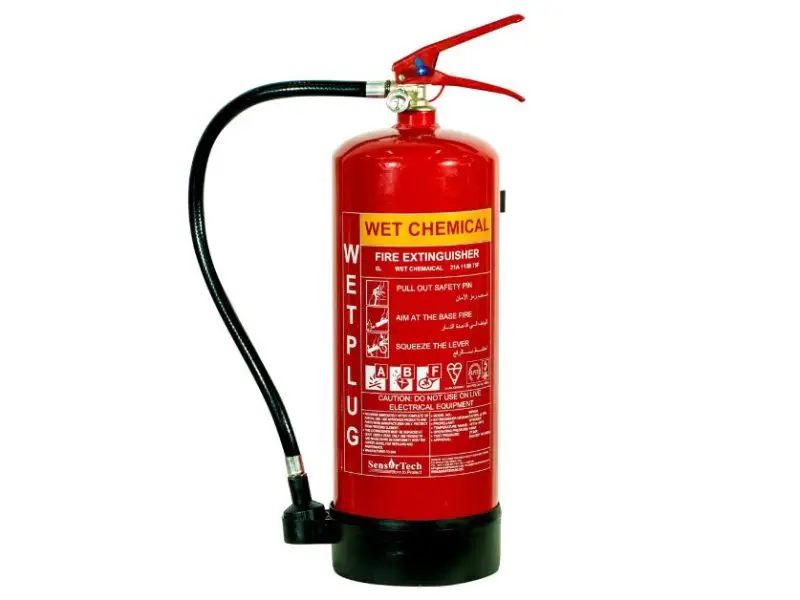
Fire safety is a responsibility that no household, office, or industry can afford to ignore. Among all fire protection tools, Fire Extinguishers are the first line of defense during an emergency. They are designed to tackle small fires before they escalate into dangerous situations, potentially saving lives and property. However, owning a fire extinguisher is not enough—knowing when it should be refilled or replaced is equally critical. An extinguisher that fails during an emergency can lead to catastrophic outcomes.
This blog explores the key indicators, timelines, and maintenance practices that determine when Fire Extinguishers need to be refilled or replaced, ensuring they’re always ready for use.

🔥 Why Maintenance of Fire Extinguishers Matters
Like any safety equipment, Fire Extinguishers require proper care to function effectively. Over time, extinguishing agents can lose pressure, seals may weaken, or internal parts may corrode. A neglected extinguisher can fail when it’s needed most. Regular inspection, refilling, and timely replacement ensure maximum safety and compliance with fire safety regulations.
In most regions, fire safety laws require that extinguishers be checked periodically by trained professionals. Beyond compliance, however, regular maintenance ensures peace of mind—knowing that your equipment is ready to protect people and property at a moment’s notice.
🧯 When Should a Fire Extinguisher Be Refilled?
Refilling refers to the process of replenishing the extinguishing agent inside the cylinder once it has been partially or completely discharged. The frequency of refilling depends on both usage and inspection results. Here are the main situations when Fire Extinguishers should be refilled:
1. After Any Use, Even Partial
If you’ve used an extinguisher—even briefly—it must be refilled immediately. Even a small discharge reduces pressure and agent levels, compromising future performance. Fire extinguishers rely on consistent internal pressure to function properly, so once used, they can no longer be considered fully charged.
2. After Inspection Shows Low Pressure
Every extinguisher comes with a pressure gauge. The needle should be in the green zone, indicating optimal pressure. If it drops into the red zone, the extinguisher may not discharge effectively. This is a clear signal that refilling is required.
3. Following the Recommended Refill Interval
Most Fire Extinguishers require refilling every 5 to 6 years, depending on the type and manufacturer’s guidelines. For instance, dry chemical extinguishers may need servicing every 6 years, while CO₂ extinguishers often have different schedules. Always refer to the manufacturer’s maintenance label.
4. After Accidental Damage or Leakage
If you notice dents, rust, or leakage around the valve or nozzle, the extinguisher should be inspected immediately. A professional will determine if refilling is possible or if a full replacement is required.
⚙️ When Should a Fire Extinguisher Be Replaced?
There are times when refilling is not enough. Over the years, the cylinder and its internal components can deteriorate beyond repair. Here are the key indicators that it’s time to replace your Fire Extinguishers entirely:
1. Visible Physical Damage
If the cylinder has deep dents, cracks, or corrosion, it may no longer be safe to use. Even minor structural damage can compromise its pressure-holding ability, making it a potential hazard.
2. Failed Pressure Test
During professional inspections, Fire Extinguishers undergo hydrostatic testing to check whether the cylinder can safely withstand internal pressure. If the extinguisher fails this test, it must be replaced immediately.
3. Missing or Broken Parts
Components such as safety pins, handles, or discharge hoses are critical for safe operation. If these parts are damaged or missing, replacement is often the safer and more economical choice.
4. Expired Lifespan
Most extinguishers have a service life of 10 to 12 years. After this period, even if the extinguisher appears functional, it’s safer to replace it. Materials inside the cylinder degrade over time, reducing reliability.
5. Outdated Fire Extinguisher Models
Fire safety standards evolve over time. If your Fire Extinguishers are old and do not comply with updated fire codes or agent requirements, replacement ensures both safety and compliance.
🧩 The Importance of Professional Servicing
While basic checks can be done by owners, Fire Extinguishers must be serviced and refilled by certified professionals. They ensure that:
- The extinguisher’s internal pressure is correct.
- The extinguishing agent is replenished to the correct level.
- All parts—nozzle, seals, hose, and trigger—function properly.
- Hydrostatic tests are conducted at appropriate intervals.
Additionally, professionals will tag each extinguisher with the service date and next due inspection, ensuring proper record-keeping for safety audits.
Also read – What Features Should You Look for in the Best Portable Fire Extinguisher?
🧰 Monthly and Annual Maintenance Checklist
For safety-conscious workplaces and homes, a simple maintenance routine can make a big difference:
- Monthly Checks: Ensure the pressure gauge is in the green, verify accessibility, and inspect for visible damage.
- Annual Servicing: Hire a professional to inspect and certify that the extinguisher meets fire safety standards.
- After Every Use: Immediately schedule refilling or replacement.
- Record Maintenance: Keep track of inspection dates, refills, and replacements.
These practices ensure your Fire Extinguishers remain reliable and effective at all times.

🏢 Conclusion
A Fire Extinguisher is more than just a safety requirement—it’s a life-saving tool that must be ready to perform under pressure. Understanding when to refill or replace it ensures that it remains reliable during critical moments. Regular maintenance, professional servicing, and adherence to safety guidelines can prevent devastating losses caused by malfunctioning equipment.
For those seeking trusted fire safety solutions and reliable Fire Extinguishers, Sensor Tech stands as a leading name in the industry. With a commitment to innovation, quality assurance, and safety excellence, Sensor Tech provides advanced fire protection systems designed to safeguard lives and property. Choosing Sensor Tech means choosing reliability, precision, and peace of mind—because true fire safety begins with the right equipment, maintained at the right time.