


Introduction
Dubai’s skyline is defined by its high-rise towers, and every one of them relies on carefully engineered water distribution to keep fire protection systems working correctly at every floor. A pressure reducing valve is one of the most important components in making this possible, ensuring that water pressure remains within safe and effective limits throughout the building. Sensor Tech supplies quality pressure reducing valve products for fire protection systems across Dubai’s high-rise and commercial portfolio.

What Is a Pressure Reducing Valve?
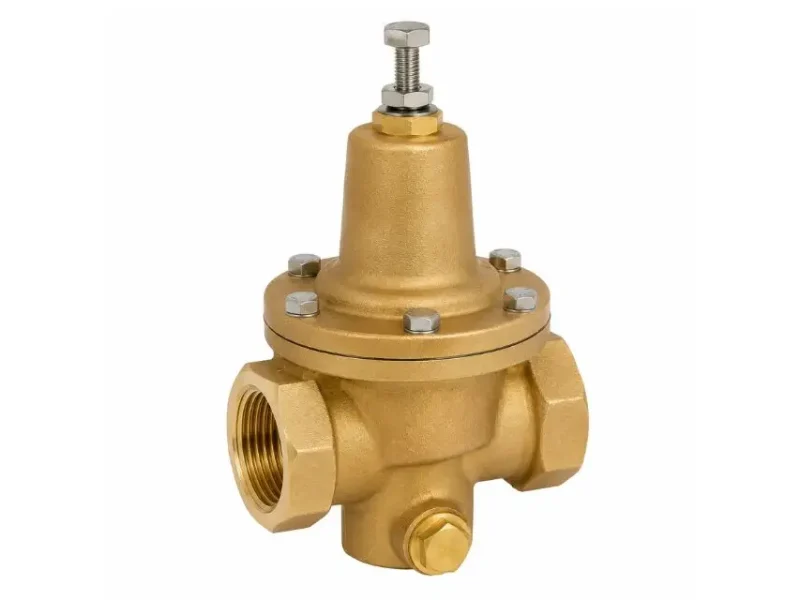
A pressure reducing valve is a control valve designed to automatically reduce a higher upstream water pressure to a lower, controlled downstream pressure, regardless of fluctuations in supply pressure or demand. In fire protection systems, this keeps pressure at sprinkler heads, hose reels, and hydrant outlets within the range the system was designed for, protecting pipework and components from damage while maintaining effective firefighting performance.
Why High-Rise Buildings Need Pressure Reducing Valves
Water pressure naturally increases with height difference in a piping system, meaning the lower floors of a tall building can experience significantly higher pressure than the upper floors. Without correction, this excess pressure at lower levels can damage pipework, valves, and hose reel equipment, while also making hose reels dangerous or difficult to control for untrained occupants. Installing a pressure reducing valve at each zone allows engineers to maintain safe, consistent pressure throughout the entire height of the building.
Types of Pressure Reducing Valves
Pressure reducing valves used in fire protection applications come in a few common configurations:
- Direct-acting pressure reducing valves — simple, self-contained units suited to smaller pressure reductions
- Pilot-operated pressure reducing valves — used where larger pressure differentials or higher flow rates are required
- Fixed-setting valves — set once during commissioning for a specific zone
- Adjustable valves — allowing pressure settings to be fine-tuned during testing and commissioning
Standards and Certification Requirements
Any pressure reducing valve installed in a fire protection system should carry recognized certification such as UL Listing or FM Approval, confirming that the valve has been tested to perform reliably under fire conditions. Local authority requirements, including those set by Dubai Civil Defence, may specify additional criteria for valve selection depending on the building type and system design.
Installation and Testing Considerations
Correct installation of a pressure reducing valve requires accurate calculation of the required pressure setting for each zone, proper valve orientation, and adequate strainer protection upstream to prevent debris from affecting valve performance. After installation, the valve must be tested to confirm it delivers the correct downstream pressure across the expected range of flow conditions. Sensor Tech provides installation guidance and commissioning support for pressure reducing valve systems as part of complete fire protection project delivery.
Maintenance for Long-Term Reliability
Like any mechanical component, a pressure reducing valve can drift out of its correct setting over time or develop wear that affects performance. Regular testing confirms the valve continues to deliver the correct pressure, and any deviation should be corrected promptly to avoid compromising the fire protection system. Sensor Tech’s maintenance programs include periodic testing of pressure reducing valve installations, ensuring consistent performance throughout the building’s service life.
Coordination with Overall System Design
A pressure reducing valve does not work in isolation. It must be sized and positioned correctly within the overall fire protection design, taking into account pump performance, pipe sizing, and the number of zones the building requires. Poor coordination at the design stage can lead to a pressure reducing valve that is undersized for its zone or positioned where maintenance access is difficult, so early involvement of an experienced supplier during design is valuable.
Also Read – The Function of a Pressure Reducing Valve in Plumbing Systems
Working with an Experienced Supplier
Because a pressure reducing valve directly affects both safety and system performance, sourcing this component from an experienced supplier matters as much as the valve itself. A knowledgeable partner can advise on the correct valve type and setting for each zone, supply appropriate certification documentation, and provide commissioning support to confirm the valve performs exactly as the design intends before handover. This support is particularly valuable on retrofit projects, where an existing pressure reducing valve may need replacing without full documentation of the original design available.

Conclusion
The pressure reducing valve may be a small component compared to the overall fire protection system, but its role in maintaining safe, effective pressure throughout a high-rise building is genuinely critical. Sensor Tech supplies certified pressure reducing valve products along with design input, installation, and ongoing maintenance expertise for projects across Dubai and the wider UAE. Contact Sensor Tech today for expert guidance on pressure reducing valve selection and supply.