



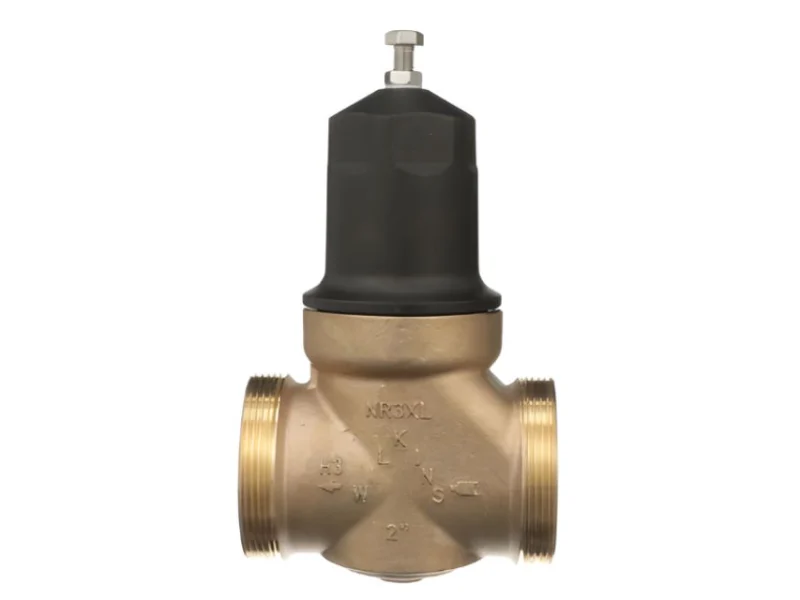
The contemporary plumbing systems are composed of various specialized parts that are used to guarantee the presence of a safe and efficient flow of water. The Pressure Reducing Valve is one of these devices that are essential in ensuring that pipelines, fixtures, and appliances are not subjected to unreasonable pressure of water. Many residential, commercial, and industrial water source plumbing systems have water entering the system at a significantly greater pressure than is safe in internal plumbing systems. This is where a Pressure Reducing Valve is required, as it ensures and maintains the water pressure before it flows through the piping system within the building.

What Is a Pressure Reducing Valve?
A PRV, also known as a Pressure Reducing Valve (also abbreviated as PRV), is a mechanical device that is intended to reduce and maintain the water pressure in a plumbing system to a safe and constant level. It is normally fitted on the main water line where the water supply enters a building. The valve self-regulates its setting to sustain a downstream pressure under a pre-specified pressure irrespective of changes in the supply pressure.
The typical plumbing systems are effective in a range of around 45-60 psi pressure, and any pressure over 80 psi may cause damage or inefficiency to the system. PRVs ensure that the system performs optimally and is safe by means of controlling the pressure to a desired level.
How a Pressure Reducing Valve Works
The principle of a pressure-reducing valve is the force of the water pressure and a spring-loaded mechanism that is inside the valve. The key elements usually are a diaphragm or a piston, a spring, and a valve seat.
When the water with high pressure enters the valve, it forces the inside parts. The valve has a spring that is adjusted to permit a certain outlet pressure. When the outlet pressure exceeds the preset, the diaphragm or piston will move to open the valve by halting the flow of water to some extent. On the other hand, when the pressure at the outlet decreases below the desired value, the spring forces the valve to reopen and thus more water flows through it.
Such constant regulation means that the downstream pressure may stay constant, though the incoming pressure may vary a lot. Consequently, there is a controlled water flow in the plumbing system.
Key Functions in Plumbing Systems
1. Protecting Pipes and Fixtures
A major role of a pressure-reducing valve is to ensure that the plumbing parts are not affected by excessive pressure. High water pressure will result in bursting of pipes, leakage, and damage to fixtures, including faucets, toilets, and washing machines. The valve helps to increase the life of the overall plumbing system by lowering the pressure to a safe level.
2. Maintaining Consistent Water Flow
The pressure of water in municipal supply lines may fluctuate across the day, as the demand changes. A PRV maintains consistency in the pressure supplied to a building, and thus, the flow of water to it is constant despite these changes.
3. Reducing Plumbing Noise
High pressure of water may cause noises in the pipes, and this is normally known as water hammer or a banging sound when the water suddenly ceases flowing. The pressure-reducing valves aid in reducing these noises by stabilizing pressure in the pipes.
4. Improving Water Efficiency
There is also excessive use of water due to high pressure. Controlled flow of water would help minimize overuse and eliminate wastage when water is used at controlled pressure. This not only saves water but also reduces utility bills in the long run.
5. Enhancing System Safety
It is necessary to maintain the safe pressure levels to avoid possible accidents like the rupture of pipes or any damage to equipment. PRVs serve the purpose of providing safety measures that prevent plumbing systems from working beyond suggested pressure levels.
Common Applications
PRVs are commonly applied in different plumbing and water delivery systems, such as:
- Plumbing in residential buildings.
- Business premises and office parks.
- Industrial facilities
- Irrigation systems
- Multi-level water distribution in high-rise buildings.
To prevent pressure variation in various areas, several PRVs can be put in place at various places in case of large buildings and infrastructural projects.
Maintenance and Performance
The pressure reducing valves, similar to any mechanical mechanism, are to be periodically checked and maintained in order to be used to their best. Internal parts, like the diaphragm or the diaphragm seat, may wear off over time, because of accumulating sediments or changes in pressure, which is not constant. Symptoms that a PRV might require maintenance are varying water pressure, abnormal pipe sounds, or overly high pressure at the fixtures.
Regular servicing and the replacement of corroded parts in time contribute to the stable operation and avoid the expensive problems in plumbing.
Suggested Read – A Complete Guide to Pressure Reducing Valves and Their Functioning
Role of Reliable Valve Suppliers
The system reliability in plumbing and fire protection depends largely on the quality of valves and other components in the system. Reliable suppliers guarantee that goods will meet the industry requirements in relation to their durability, performance, and safety. Organizations such as Sensor Tech would be considered as one of the leading suppliers of FWIC Valves and WETPLUG products, and they would cater to their customers in the Middle East and overseas markets. Their solutions are helpful in efficient water management and reliable functioning of the system in different infrastructural projects.

Conclusion
The Pressure Reducing Valve is such a necessary element of contemporary plumbing systems that the water pressure of the building is kept safe, constant, and effective. It prevents pipe damage by controlling the high inflow pressure, boosts the efficiency of water, decreases noise, and increases the overall safety of the plumbing infrastructure. Since it is applied in residential houses as well as massive commercial buildings, the Pressure Reducing Valve is important to ensure the stability of the water delivery system without causing expensive damage and operational problems.