



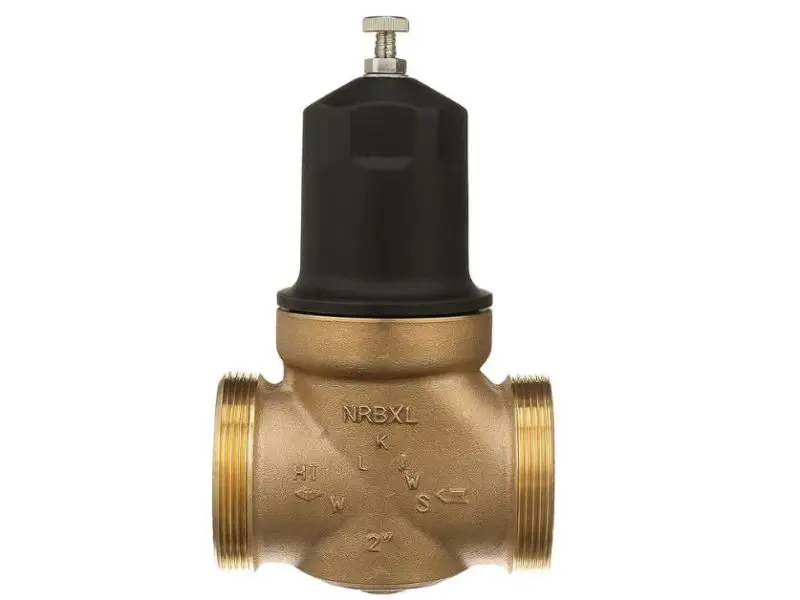
In industrial and commercial systems, maintaining the right water or gas pressure is essential for both performance and safety. Too much pressure can damage equipment, cause leaks, or even lead to accidents. That’s where a Pressure Reducing Valve (PRV) comes into play. This essential component helps regulate fluid pressure within pipelines, ensuring smooth, efficient, and safe operations across various systems.
In this guide, we’ll explore what a Pressure Reducing Valve is, how it works, the types available, and why it’s such a vital part of plumbing, HVAC, and industrial systems.

⚙️ What Is a Pressure Reducing Valve?
A Pressure Reducing Valve is a mechanical device designed to automatically reduce the pressure of a fluid (usually water, air, or steam) to a desired level downstream of the valve. It ensures that the outlet pressure remains consistent, even when the inlet pressure fluctuates.
In simple terms, it acts like a guardian that protects your pipelines, appliances, and equipment from excessive pressure — maintaining a steady and safe operating condition.
Example:
If water enters a building at 10 bar (a high pressure), a Pressure Reducing Valve can lower it to a manageable 4 bar before it reaches taps, boilers, or machinery.
🔩 How Does a Pressure Reducing Valve Work?
The functioning of a Pressure Reducing Valve is based on a balance of forces between the downstream pressure and a pre-set spring tension. Let’s break down its key components and operation:
1. Inlet and Outlet:
The high-pressure fluid enters through the inlet, and the reduced pressure fluid exits through the outlet.
2. Diaphragm and Spring:
A flexible diaphragm connected to an adjustable spring determines the valve’s opening and closing.
3. Valve Seat and Piston:
These parts regulate the flow. When downstream pressure increases, the diaphragm moves upward, pushing the valve seat to close slightly and reduce flow — thereby maintaining the set pressure.
4. Self-Adjusting Mechanism:
The PRV automatically adjusts itself based on pressure variations. If the outlet pressure drops, the spring pushes the valve open to allow more fluid, restoring balance.
In essence, the Pressure Reducing Valve maintains stability by continuously adjusting to changes in pressure, ensuring a constant output level without manual intervention.
💧 Why Is a Pressure Reducing Valve Important?
A Pressure Reducing Valve plays a crucial role in maintaining safety, performance, and energy efficiency. Some of its major benefits include:
1. Protects Equipment and Appliances
High pressure can damage water heaters, washing machines, pipelines, and HVAC components. A PRV ensures safe operating conditions, extending equipment lifespan.
2. Prevents Water Hammer and Leakage
Fluctuations in pressure can cause sudden shocks known as “water hammer.” The PRV smoothens pressure variations, minimizing vibrations and leakage.
3. Improves Energy Efficiency
Regulating pressure ensures that systems like boilers and pumps work efficiently, reducing energy waste and operating costs.
4. Ensures Consistent Flow
In commercial and residential setups, consistent pressure ensures balanced water flow to all outlets without overloading the supply lines.
5. Reduces Maintenance Costs
By preventing strain on pipelines and fixtures, Pressure Reducing Valve installations lower maintenance needs and replacement costs.
🧩 Types of Pressure Reducing Valves
Depending on the application and fluid type, there are several types of Pressure Reducing Valve designs. Each serves a distinct purpose:
1. Direct-Acting Pressure Reducing Valve
- Simple design with a spring-loaded diaphragm.
- Suitable for small-scale systems such as household plumbing or low-pressure pipelines.
- Provides quick response but less accurate pressure control.
2. Pilot-Operated Pressure Reducing Valve
- Uses a pilot valve to sense downstream pressure.
- Suitable for large industrial systems requiring precise regulation.
- Provides better stability for varying flow and pressure conditions.
3. Water Pressure Reducing Valve
- Specifically designed for plumbing systems.
- Maintains steady water pressure to taps, showers, and household appliances.
4. Steam Pressure Reducing Valve
- Used in steam-based systems, such as boilers or manufacturing units.
- Reduces steam pressure while ensuring minimal energy loss.
Each Pressure Reducing Valve type is tailored for specific industries, whether it’s residential water supply, industrial gas flow, or energy plants.
⚡ Key Factors to Consider Before Choosing a Pressure Reducing Valve
When selecting a Pressure Reducing Valve, it’s important to match the specifications with your system’s requirements. Here are some key considerations:
1. Pressure Range
Check the inlet and outlet pressure requirements. Always choose a valve rated slightly higher than your maximum inlet pressure.
2. Flow Rate
Select a PRV that can handle the required flow without causing excessive pressure drop.
3. Material of Construction
Valves are available in brass, bronze, stainless steel, or cast iron. The choice depends on fluid type and operating temperature. For instance, stainless steel is ideal for corrosive fluids, while bronze works well for water systems.
4. Temperature Range
Make sure the valve material and seals can withstand your system’s temperature, especially for steam or industrial applications.
5. Installation Orientation
Some Pressure Reducing Valves can be installed horizontally or vertically, while others have specific flow directions. Always follow manufacturer guidelines.
6. Maintenance Accessibility
Choose a design that allows easy disassembly for cleaning and servicing. Regular inspection ensures long-term reliability.
Also Read – How Does a Pressure Reducing Valve Work?
🧰 Maintenance and Troubleshooting Tips
Even though Pressure Reducing Valves are built for durability, periodic maintenance ensures consistent performance.
- Inspect regularly: Check for leaks, corrosion, or unusual sounds.
- Clean internal parts: Sediment buildup can affect performance.
- Check pressure setting: Use a gauge to verify outlet pressure.
- Replace worn-out seals: Prevents internal leakage.
If pressure fluctuates frequently or the valve fails to regulate properly, it may need recalibration or replacement.

🏢 Conclusion
A Pressure Reducing Valve is more than just a mechanical component — it’s a safeguard for your entire system. From residential water lines to industrial facilities, it ensures safety, efficiency, and consistent performance by maintaining optimal pressure levels.
When it comes to sourcing reliable, high-performance Pressure Reducing Valve solutions in Dubai and across the region, Sensor Tech stands out as a trusted name. Known for its quality-engineered valves, precision designs, and commitment to excellence, Sensor Tech provides advanced pressure management solutions for every application. With a focus on safety, durability, and superior control, Sensor Tech ensures your systems run smoothly — protecting your infrastructure, conserving energy, and delivering long-term value.