



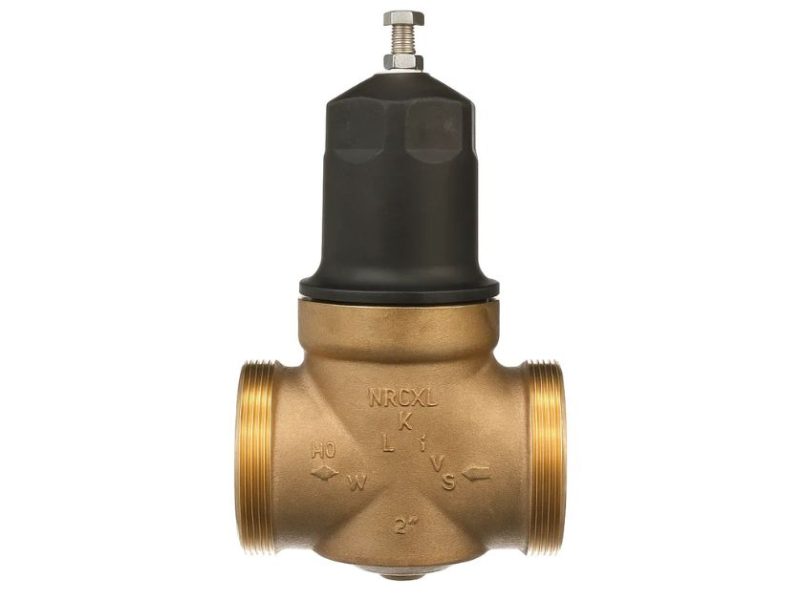
Fire protection systems, plumbing networks, and industrial setups often operate under high water pressure to ensure adequate flow in emergencies. However, excessive pressure can damage pipelines, fixtures, and critical components. To avoid this, systems rely on a device that ensures safe and consistent pressure levels – the pressure reducing valve. Understanding how this device operate is essential for engineers, building owners, and safety professionals.

What is a Pressure Reducing Valve?
A valve is a mechanical device designed to automatically reduce the pressure of incoming water to a safe and manageable level for downstream equipment. It functions without external power, relying on hydraulics and internal components to maintain steady pressure even when the upstream pressure fluctuates.
Why is Pressure Regulation Important?
In fire safety systems, maintaining the correct water pressure is crucial. If pressure is too high, it can damage pipes, hydrants, and valves, causing leaks or bursts. Conversely, insufficient pressure can hinder water flow during an emergency, compromising fire suppression efforts. For plumbing and HVAC systems, unregulated pressure may lead to equipment wear, increased maintenance costs, and safety hazards.
Core Components of a Valve
To understand its operation, let’s look at the main parts of the valve:
- Valve Body: The outer casing that houses all components and connects to the piping system.
- Inlet and Outlet Ports: The entry and exit points for water flow.
- Adjusting Spring: Controls the force applied to the diaphragm and, in turn, the outlet pressure.
- Diaphragm: A elastic membrane that responds to pressure changes inside the valve.
- Seat and Disc: Regulates water flow by opening or closing the passageway based on pressure feedback.
Each part works together to maintain constant downstream pressure.
How Does It Work? Step-by-Step
The operation of a valve can be broken into simple steps:
1. Water Enters Under High Pressure
Water flows into the inlet side of the valve at high pressure. This pressure is often too great for downstream components to handle safely.
2. Pressure is Monitored by the Diaphragm
Inside the valve, the diaphragm senses downstream pressure. It acts as the feedback mechanism that tells the valve whether to open or close the passageway.
3. The Spring Applies Force
An adjustable spring pushes against the diaphragm. By tightening or untying the spring, you can set the desired downstream pressure.
4. Flow is Regulated Automatically
When downstream pressure rises above the set limit, the diaphragm pushes upward, causing the disc to close partially and restrict flow. When pressure drops, the diaphragm moves downward, opening the disc and allowing more water through. This dynamic adjustment keeps pressure constant without manual intervention.
5. Continuous Pressure Control
The valve constantly adjusts itself in real-time to match pressure fluctuations, ensuring system stability and safety.
Key Advantages of Using a Valve
- Prevents Damage: Protects pipes and fixtures from high-pressure damage.
- Ensures Safety: Maintains optimal pressure for fire protection systems.
- Increases Equipment Lifespan: Reduces wear and tear on components.
- Energy Efficiency: Minimizes water hammer and energy loss in distribution systems.
- Regulatory Compliance: Helps meet local safety codes and standards.
Common Applications
Valves are widely used in:
- Fire Protection Systems: To ensure sprinklers and hydrants operate within safe limits.
- Commercial Plumbing: For consistent pressure in high-rise buildings.
- Industrial Processes: To protect sensitive equipment and maintain operational stability.
- Irrigation Networks: To prevent damage to irrigation lines and sprinklers.
Related Blog – What Are the Aids of Installing a Pressure Reducing Valve?
Maintenance Tips for Long Life
- Regular Inspection: Check for leaks and corrosion.
- Test Functionality: Periodically verify pressure settings and performance.
- Replace Worn Parts: Diaphragms and seals should be replaced when degraded.
- Keep Valves Clean: Dirt and debris can obstruct movement and reduce efficiency.
Key Features of a Valve
- Pressure Adjustment Capability: Explain that users can fine-tune outlet pressure as per system requirements.
- Compact Design: Mention how modern valves are designed to fit into tight spaces.
- Temperature Resistance: High-quality valves work in a wide range of temperatures, ideal for diverse environments.

In Conclusion
A valve plays an indispensable role in safeguarding systems from excessive water pressure. By automatically adjusting to maintain optimal pressure, it ensures safety, compliance, and operational efficiency. Choosing the right valve and ensuring proper maintenance can make a noteworthy difference in the reliability of your system.
Looking for premium-quality pressure control solutions? Sensor Tech provides top-grade valves and fire safety products trusted across the UAE. Contact us today to ensure your system’s safety and reliability!