



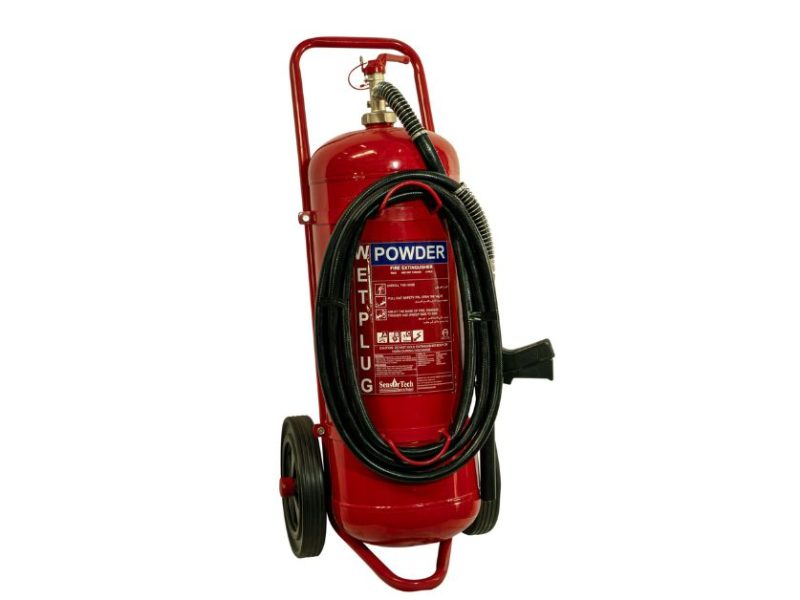
Fire extinguishers are vital safety tools that can save lives and protect property in emergencies. However, like all safety equipment, they don’t last forever. Knowing when to change your fire extinguisher is crucial to ensure it works properly when you need it most. In this blog, we’ll explore the key indicators that suggest your fire extinguisher may need replacement, and why timely action matters.

Why Fire Extinguishers Must Be Maintained
Extinguishers are pressurized devices filled with chemicals designed to suppress different types of fires. Over time, the pressure inside can drop, the chemicals may degrade, or the outer casing may become damaged. Regular inspection, maintenance, and timely replacement are not just regulatory requirements but important safety practices.
General Lifespan of Extinguishers
- The lifespan of a fire extinguisher depends on its type and maintenance:
- Disposable (non-rechargeable) extinguishers: Typically last 5 to 15 years. These are designed for one-time use and must be replaced after discharge.
- Rechargeable extinguishers: Can last up to 10-20 years with proper servicing and regular refills.
Always check the manufacturer’s instructions for specific expiration dates or recommended replacement timelines.
Signs It’s Time to Replace Your Fire Extinguisher
Here are the most common indicators that your fire extinguisher needs replacement:
1.The Pressure Gauge is in the Red Zone
If the needle on the pressure gauge falls below the optimal range (usually indicated in green), the extinguisher may not function correctly. Low pressure could mean a slow leak or internal failure.
2.Visible Physical Damage
Inspect your fire extinguisher for signs of damage such as:
- Dents or corrosion on the canister
- Broken or missing pin or handle
- A clogged nozzle
These defects can compromise the extinguisher’s functionality and safety.
3.Leaking or Discharge Residue
If you notice a powdery residue or any signs of leaking, even without using the extinguisher, it should be replaced immediately. This means the extinguisher has likely discharged or is defective.
4.Missing Inspection Tag or Label
A fire extinguisher without an inspection tag or label may not meet legal safety standards. Regular checks by a certified technician ensure your unit is ready to use. If the tag is missing or shows overdue maintenance, consider replacement or re-certification.
5.The Extinguisher Has Been Used
Even if only partially discharged, a fire extinguisher must be refilled or replaced. Never assume it’s still usable after deployment.
6.Manufacturer Recall
Always check for manufacturer recalls. Faulty extinguishers that fall under a recall must be returned or replaced as per guidelines.
Routine Maintenance vs. Replacement
Sometimes, a fire extinguisher doesn’t need full replacement but may require recharging, inspection, or maintenance:
- Annual inspection: Should be done by certified professionals.
- Hydrostatic testing: Conducted every 5-12 years depending on type, this checks if the cylinder can withstand pressure.
- Recharging: After use or as part of scheduled maintenance.
If your fire extinguisher fails these checks or is deemed unsafe, then replacement is necessary.
Legal and Workplace Compliance
For businesses and public buildings, fire safety regulations are strict. Authorities may mandate the replacement of extinguishers if they are expired, damaged, or not up to current standards. Non-compliance can lead to hefty fines or increased risk during emergencies.
For homes, while legal obligations may be more lenient, the safety risks remain the same. Replacing your extinguisher as recommended ensures peace of mind.
Also Read – Pick a Suitable Fire Extinguisher for Your Residence or Business
How to Dispose of an Old Fire Extinguisher
Do not simply throw old extinguishers in the trash. Depending on their type and contents, they may be classified as hazardous waste.
Steps to follow:
- Discharge the extinguisher if it still has pressure.
- Remove the head to signify it is no longer usable.
- Take it to a dangerous waste disposal site or contact your local fire safety department for disposal instructions.

Final Thoughts
A fire extinguisher that doesn’t work when you need it is a disaster waiting to happen. Regularly inspecting your extinguishers, understanding their lifespan, and knowing the signs of wear or damage are key to ensuring your space is protected. Whether in your home, office, or industrial facility, appropriate replacement can make all the difference in an emergency.
Looking for top-quality, certified fire extinguishers? Trust Sensor Tech – your reliable partner in fire safety solutions across the UAE and beyond.