



Introduction
Pipelines are the circulatory systems of modern infrastructure. They carry water to homes and businesses, distribute treated water through municipal networks, supply cooling and heating systems in commercial buildings, and transport process fluids through industrial facilities. Like any complex system, pipelines require ongoing maintenance, inspection, and periodic component replacement to remain safe and efficient. This is where a seemingly modest fitting — the dismantling joint — plays an outsized role. For infrastructure operators and project engineers seeking a reliable dismantling joint supplier UAE, Sensor Tech offers certified, high-quality pipeline accessories backed by technical expertise and reliable supply.

What Is a Dismantling Joint and How Does It Work?
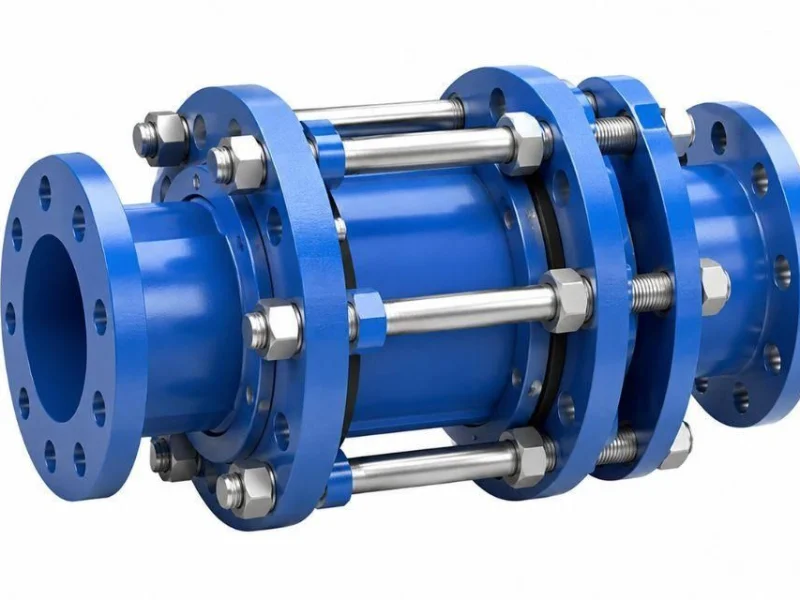
A dismantling joint is a specialized pipeline fitting installed in-line between two pipe flanges. It is designed with a telescoping mechanism that allows its effective length to be adjusted within a defined range — typically between 10 and 50 millimeters, depending on the model and pressure rating. When a valve, pump, or other piece of equipment needs to be removed from the pipeline for maintenance or replacement, the dismantling joint is extended to create enough clearance to slide the equipment out without disturbing the surrounding pipe sections. Once maintenance is complete, the equipment is reinstalled and the dismantling joint is retracted back to its operating length and secured.
Why Dismantling Joints Are Essential in Modern Pipeline Design
1. Dramatically Simplifies Equipment Removal and Reinstallation
Without a dismantling joint, removing a butterfly valve, gate valve, pump, or flow meter from a pipeline involves cutting the pipe on one or both sides of the equipment, extracting the component, and then welding or flanging the pipe back together after maintenance. This is time-consuming, labor-intensive, and requires specialized equipment. A dismantling joint reduces this entire process to loosening a few bolts, sliding the joint open, removing the equipment, servicing it, reinstalling it, and securing the joint again. The time saving is significant, often reducing hours or days of work to a matter of minutes.
2. Minimizes System Downtime
In any infrastructure that operates continuously — a water treatment plant, a commercial building’s chilled water system, or an industrial process pipeline — downtime carries a direct cost. The faster maintenance can be completed, the less operational disruption there is. Dismantling joints make it possible to service critical in-line components much more quickly than traditional methods, significantly reducing the downtime associated with planned maintenance and enabling faster response to unplanned equipment failures.
3. Protects the Long-Term Integrity of the Pipeline
Every time a pipeline is cut and rewelded, the pipe wall at the cut zone is weakened slightly. Heat from welding can also affect the metallurgical properties of the surrounding pipe material and introduce residual stresses that make future failures more likely. By eliminating the need for cutting and welding during maintenance, dismantling joints preserve the full structural integrity of the pipeline throughout its entire service life. This is particularly important for pressure pipelines and for pipelines carrying potable water where weld quality and contamination are significant concerns.
4. Accommodates Thermal Expansion and Pipe Movement
Many pipeline systems experience thermal expansion as fluid temperatures change between operating conditions and shutdown periods. Dismantling joints can be specified with axial movement allowances that absorb some of this movement, reducing stress on flanged connections and extending the life of associated valves and fittings.
5. Compatible with All Major Pipe Materials and Standards
Quality dismantling joints are available in ductile iron, stainless steel, and other materials, and can be supplied to match standard flange drillings including EN 1092 (PN16, PN25) and ANSI standards. This compatibility makes them suitable for virtually any pipeline type, from potable water mains to industrial process systems.
6. Cost-Effective Over the Pipeline Lifecycle
While dismantling joints represent an additional line item in the initial project budget, their cost is recovered many times over through reduced maintenance labor costs, shorter downtime periods during servicing, and the elimination of pipe damage that can result from repeated cutting and welding. Infrastructure engineers increasingly recognize dismantling joints not as an optional extra but as a standard component of any maintainable pipeline design.
Related Blog – What Happens if You Don’t Use a Y Strainer in Your System?
Key Considerations When Selecting Dismantling Joints
Not all dismantling joints are equal in quality, and selecting the right product for your application requires attention to several parameters. The pressure rating must be appropriate for the operating and test pressures of your system. The material must be compatible with the fluid being carried and the environment in which it is installed. The flange drilling must match both the pipe flanges and the flanges on the valves or equipment being serviced. Working with a knowledgeable dismantling joint supplier UAE like Sensor Tech ensures that all of these parameters are correctly matched to your specific requirements.

Conclusion
Dismantling joints are a small but critically important component in any pipeline system that will require maintenance over its service life. They save time, reduce costs, protect infrastructure integrity, and make maintenance safer and more manageable. For project engineers and infrastructure operators in the UAE, partnering with a reliable dismantling joint supplier UAE like Sensor Tech ensures access to certified, correctly specified products and the technical support needed to use them effectively.